
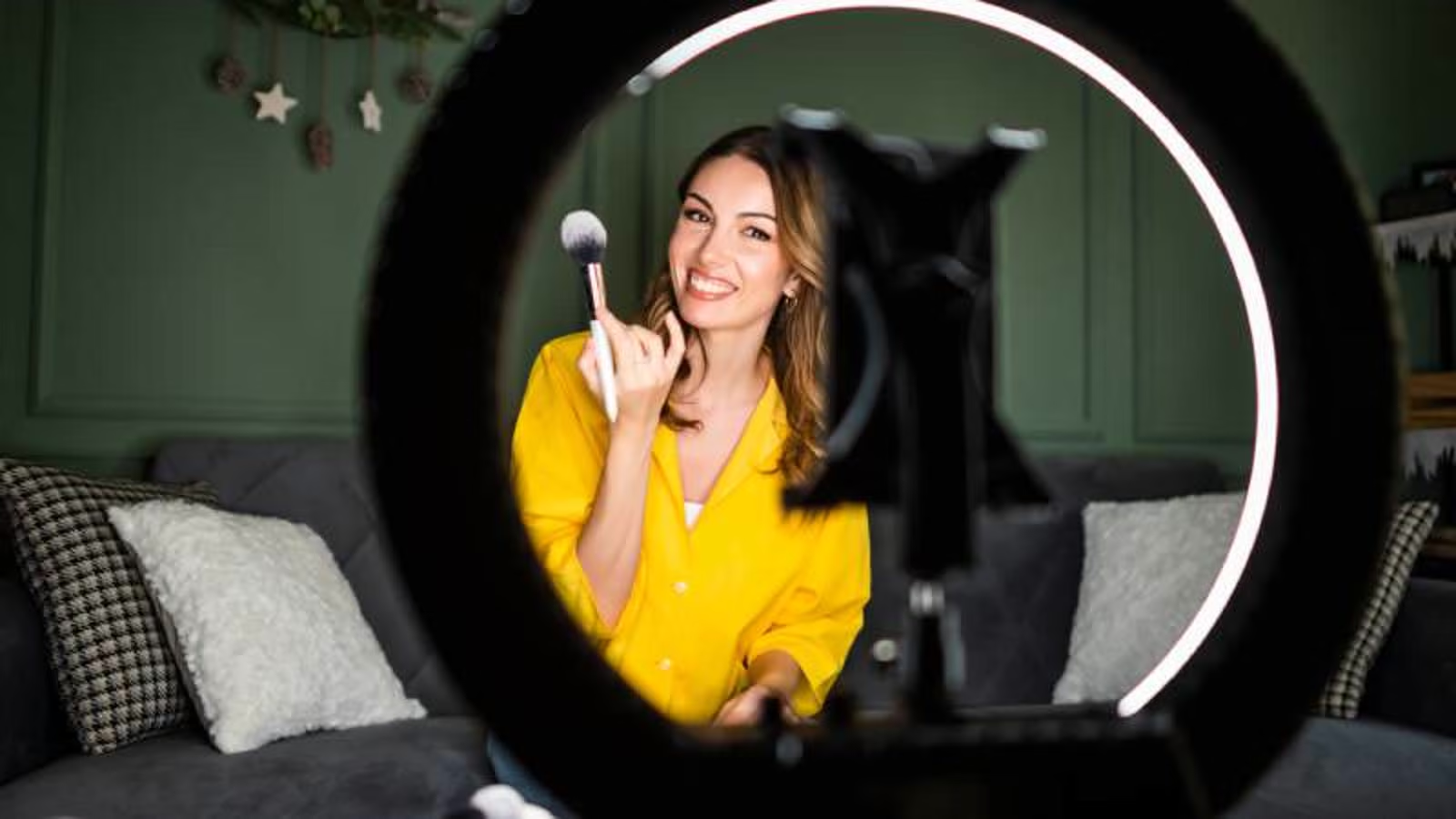
Photo: marketingturkiye.com.tr
Influencer marketing has moved from an experimental tactic to one of the core tools in brands' communication strategies. According to a report by the Association of National Advertisers (ANA) titled "Influencer Marketing: Reducing Waste and Optimizing Investment", two thirds of the marketers surveyed describe measuring campaign performance as the biggest challenge in this field. Brands, in turn, are looking for a solution by pushing creators' posts to wider audiences through paid ads.

Why is measurement so hard?
According to the report, the share of those citing other problems such as influencer selection, fee negotiation, contracting and finding creators ranges between 40 and 45 percent. Measurement therefore sits clearly at the top of the list.
Leah Marshall, ANA's Vice President of Digital and Influencer Marketing, says measurement remains one of the most complex issues in creator marketing. One of the main problems is that different social media platforms calculate metrics such as views, reach, engagement and video completion in different ways. Without a common measurement standard across platforms, it is difficult to evaluate campaigns by the same criteria. The lack of a shared method that accounts for reaching the same person on multiple platforms also makes impression data harder to compare.
The answer: paid media support
One solution brands have developed is supporting creators' posts with paid ads. According to the ANA, performance data gathered when paid media is used allows for more comprehensive analysis than campaigns relying only on organic posts. This lets brands assess content in more detail and invest further in posts that deliver good results.
According to a forecast eMarketer published in early 2026, spending on paid amplification of creators' social media posts is expected to reach about $14.2 billion in 2027. In 2028, it is projected to surpass spending on sponsored content payments to creators. The picture points to a new era in which brands are no longer content with reaching creators' own followers and focus more on scaling content with ad investment.
Recommended split and goal setting
The ANA recommends a 30 percent paid and 70 percent organic split for brand awareness campaigns. For conversion-focused campaigns the ratio flips: 70 percent paid media and 30 percent organic content. The association stresses that these ratios should not be seen as a fixed formula for every campaign. The media mix should be set according to the campaign's goals and expected results.
Another way to overcome the measurement problem is to define campaign goals and success criteria at the very start. Goals such as building brand awareness, increasing sales, driving conversions or reaching new customers are tracked with different metrics, so reading performance correctly is hard until the purpose is clear.
For creators and brands working together, wider use of paid support means posts can reach more people and results can be tracked more clearly. Until a common measurement standard emerges across platforms, brands are expected to keep using this method.


Comments