
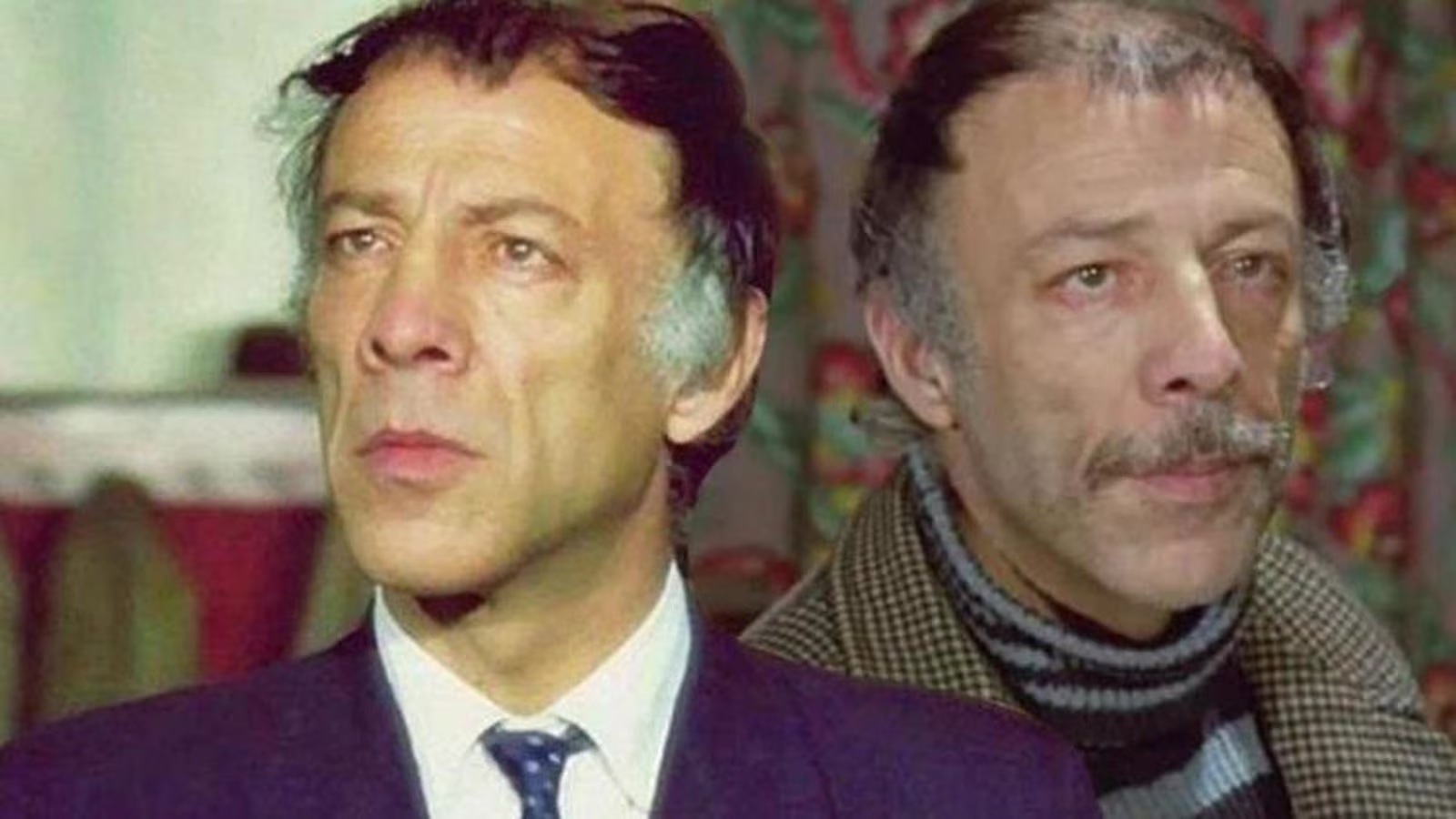
Münir Özkul's daughter sues Burç Film over alleged unauthorized sale of his films
The daughter of veteran actor Münir Özkul claims his films were sold to digital platforms and TV channels without permission and is seeking 10,000 TL in moral damages from the production company.
Photo: posta.com.tr
The daughter of beloved Turkish cinema figure Münir Özkul has started legal proceedings over her father's films. She claims many of the films he appeared in were sold to digital platforms and TV channels without permission, and has filed a 10,000 TL moral damages suit against Burç Film. The Istanbul Intellectual and Industrial Property Court accepted the case, and a hearing is expected in the coming days.
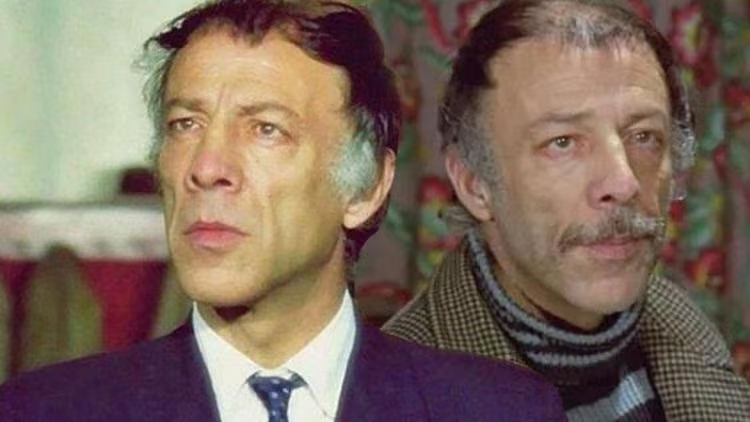
What does the petition argue?
The petition states that Münir Özkul appeared in the films as a performing artist but never transferred any rights over the works. According to the filing, the contracts made during his lifetime covered only cinema screenings of the time. It adds that no separate agreement was signed, and no permission given, for digital platforms, the internet or television broadcasts.
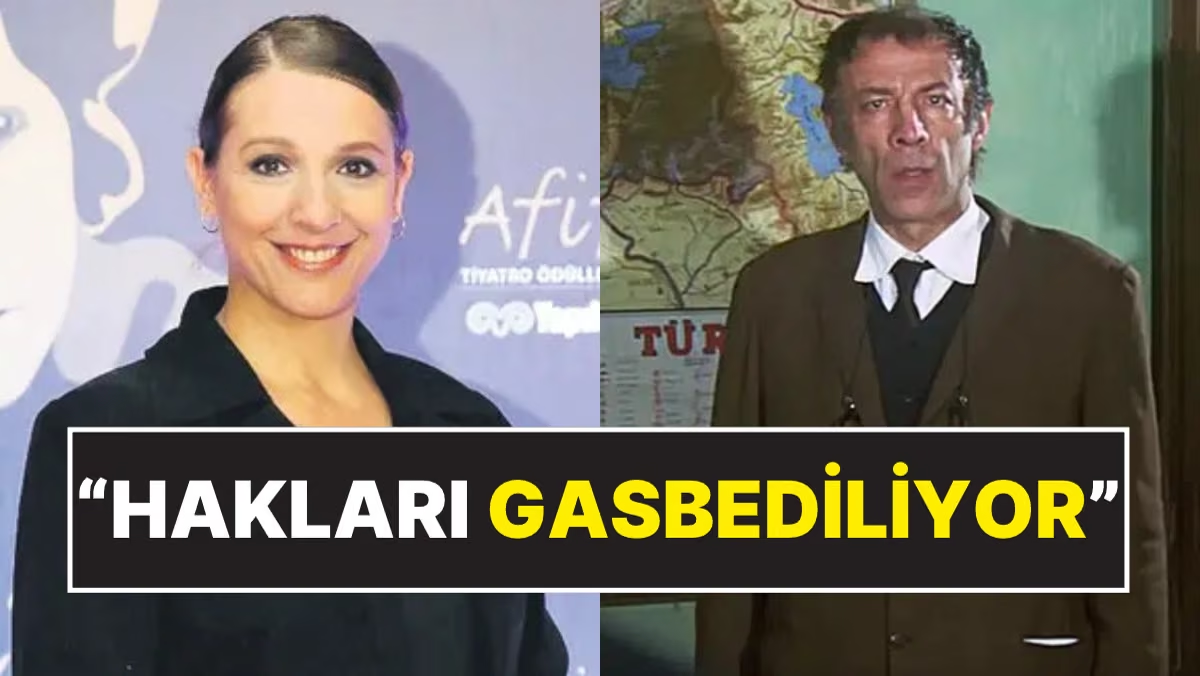
Özkul's daughter argues that old contracts do not cover digital broadcasting rights and that delivering the works to third parties without the artist's consent constitutes a rights violation. She says it is unlawful for the production company to earn income from these broadcasts while ignoring the heirs, summing up her reaction with the words "My father's rights are being usurped." Burç Film's response to the case is not known at this time.
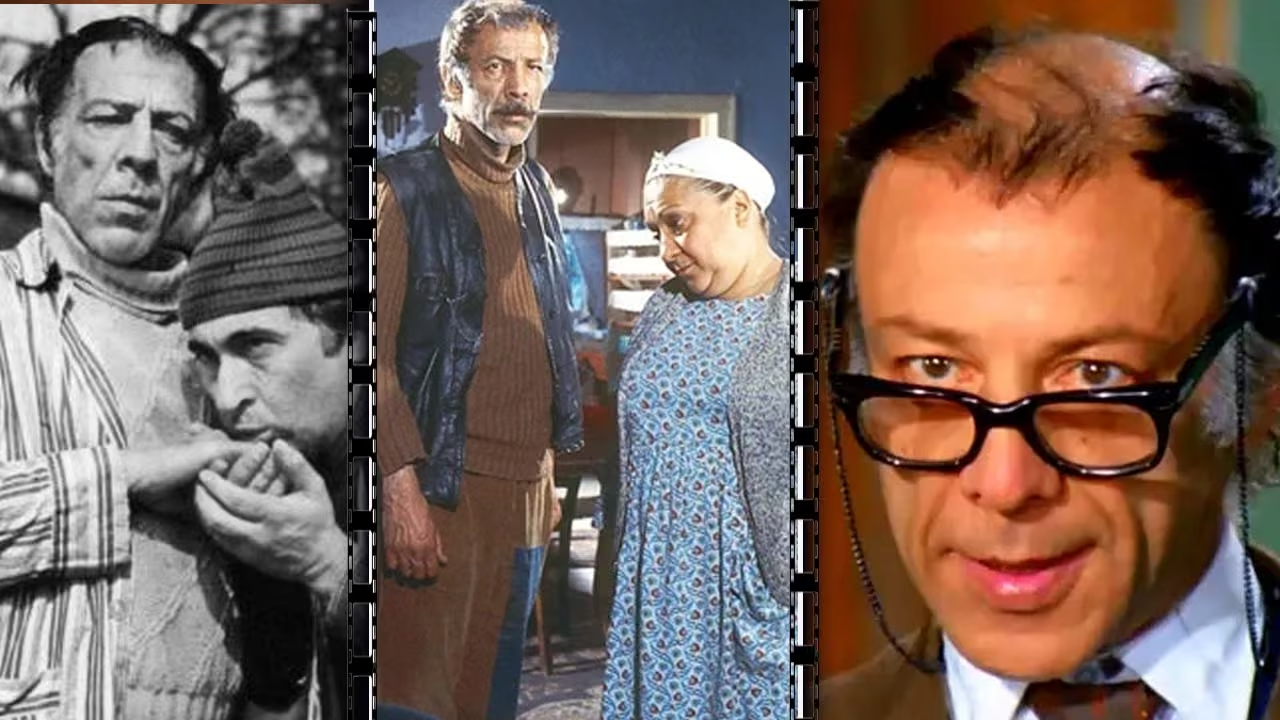
Who is Münir Özkul?
Born in 1925, Münir Özkul was one of the most memorable character actors of Yeşilçam. He appeared in more than 200 films during his career. He was loved for generations especially as Mahmut Hoca in Hababam Sınıfı, while Yaşar Usta is another role etched in viewers' memory. The veteran actor died in January 2018, but his films are still watched on television and digital platforms today.
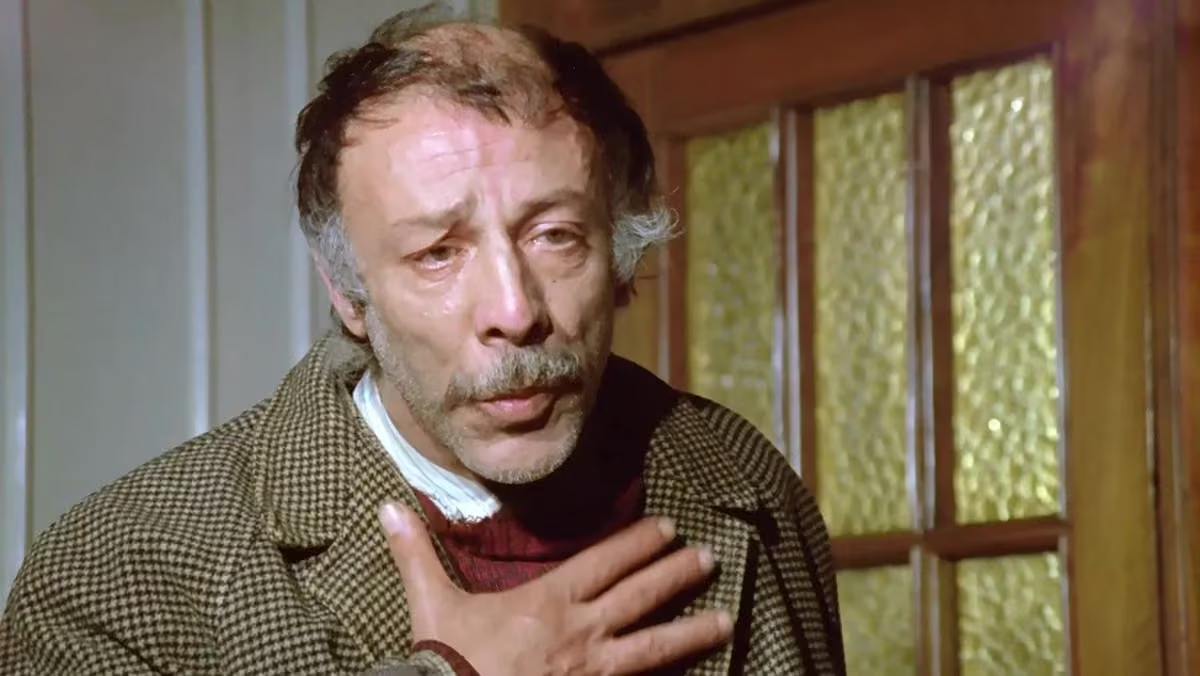
This wide circulation keeps the question of who holds the rights to the films, and under what permission they are shown, on the family's agenda. It is not the first time the matter has come up; it had previously been claimed that the films were shown on TV channels and various digital outlets without permission.
What happens next?
With the court accepting the case, the process has moved to the hearing stage. Once a date is set, both sides will present their claims and defenses. The outcome will also be watched for how the digital-era broadcast rights of films made in the Yeşilçam period are handled. We will update the story as developments arise.
Comments