

Bolivia and Peru declared states of emergency over El Niño; measures for affected regions are being assessed. Photo: Abya Yala Televisión / Wikimedia Commons
Two South American countries have declared states of emergency over El Niño in quick succession. Bolivian President Rodrigo Paz signed Supreme Decree 5759 on October 31, launching a nationwide emergency. Peru announced on November 3 a 60-day state of emergency covering 1,380 districts, citing the risk of heavy rain. The aim is to mobilize financial and human resources quickly and prepare.
What happened in Bolivia?
The Bolivian decree creates a coordination mechanism among central government ministries, local governments, the armed forces and the police. The National Council for Disaster Risk Reduction and Emergency Response (CONARADE) had approved the proposal a day earlier. In a message to the public, Paz said that in previous years the country waited for environmental impacts to appear, while this year it decided to mobilize resources through international cooperation and local efforts. He also called for coordination among institutions, local governments and the public.
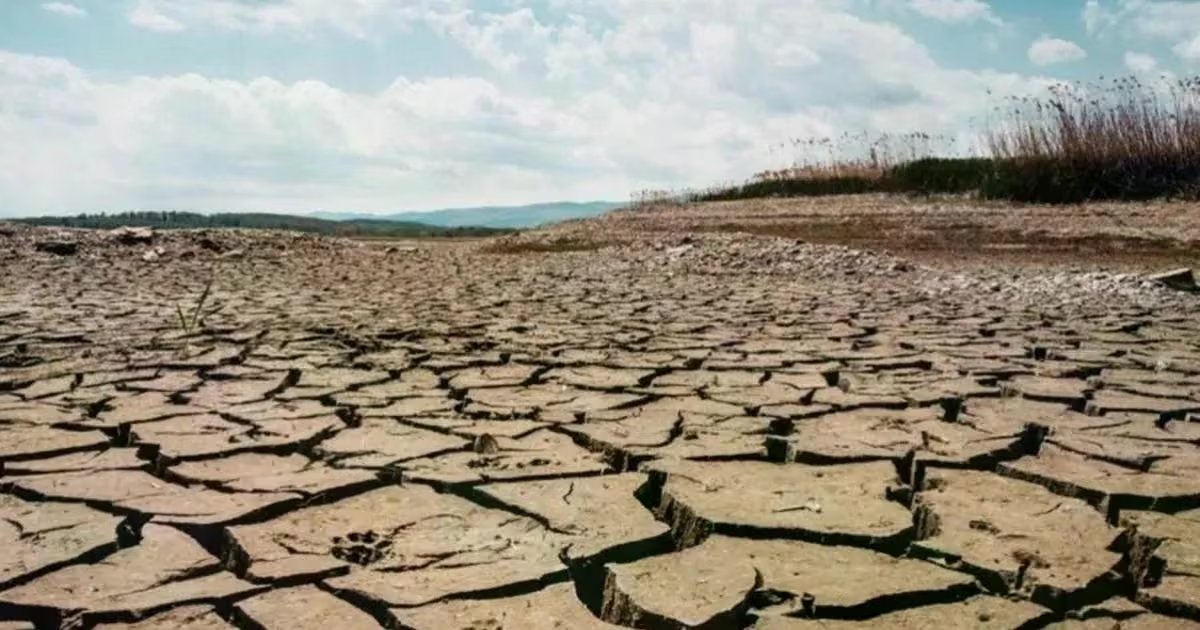
According to government reports, drought has affected about 78,000 families in La Paz, Oruro, Potosí, Cochabamba, Chuquisaca, Tarija and Santa Cruz. Defense Ministry data show 114,048 families were directly affected or suffered losses between June 1 and October 29. More than 75,000 animals died due to water scarcity, and 63 communities face severe drought. The country is also preparing for the rainy season, which runs from November to March, with the risk of floods and landslides. Defense Minister Ernesto Justiniano said rainfall in many areas was below what is needed, adding that forecasts do not mean all these disasters will happen but are warnings to help with preparation.
Peru's scope is wide
Peru's decision was published in the official gazette El Peruano. It covers districts in 24 departments, including Amazonas, Ancash, Apurimac, Arequipa, Ayacucho, Cajamarca, Cusco, Lima, Loreto and Madre de Dios, as well as Callao; areas in Moquegua, Pasco, Piura, Puno, San Martin, Tacna, Tumbes and Ucayali are also listed. Regional and local authorities, with the support of the National Civil Defense Institute (INDECI), will coordinate with ministries and organizations on disaster risk reduction, emergency response and protecting vulnerable communities. The decision is based on INDECI's October 30 assessment, which pointed to the risk of unexpectedly heavy rainfall.
Eyes on the coming months
According to the World Meteorological Organization and the United Nations, El Niño forms when sea surface temperatures rise in the equatorial Pacific. The phenomenon may reach unprecedented intensity, peak in late 2026 and last into 2027; the chance it continues until February 2027 is estimated at nearly 100 percent. In October, Santiago, the capital of Chile, recorded its highest rainfall ever.
For those who create content about the region or share updates on social media, the most reliable path is to follow official announcements and current data. New decisions are expected as the process unfolds.



Comments