
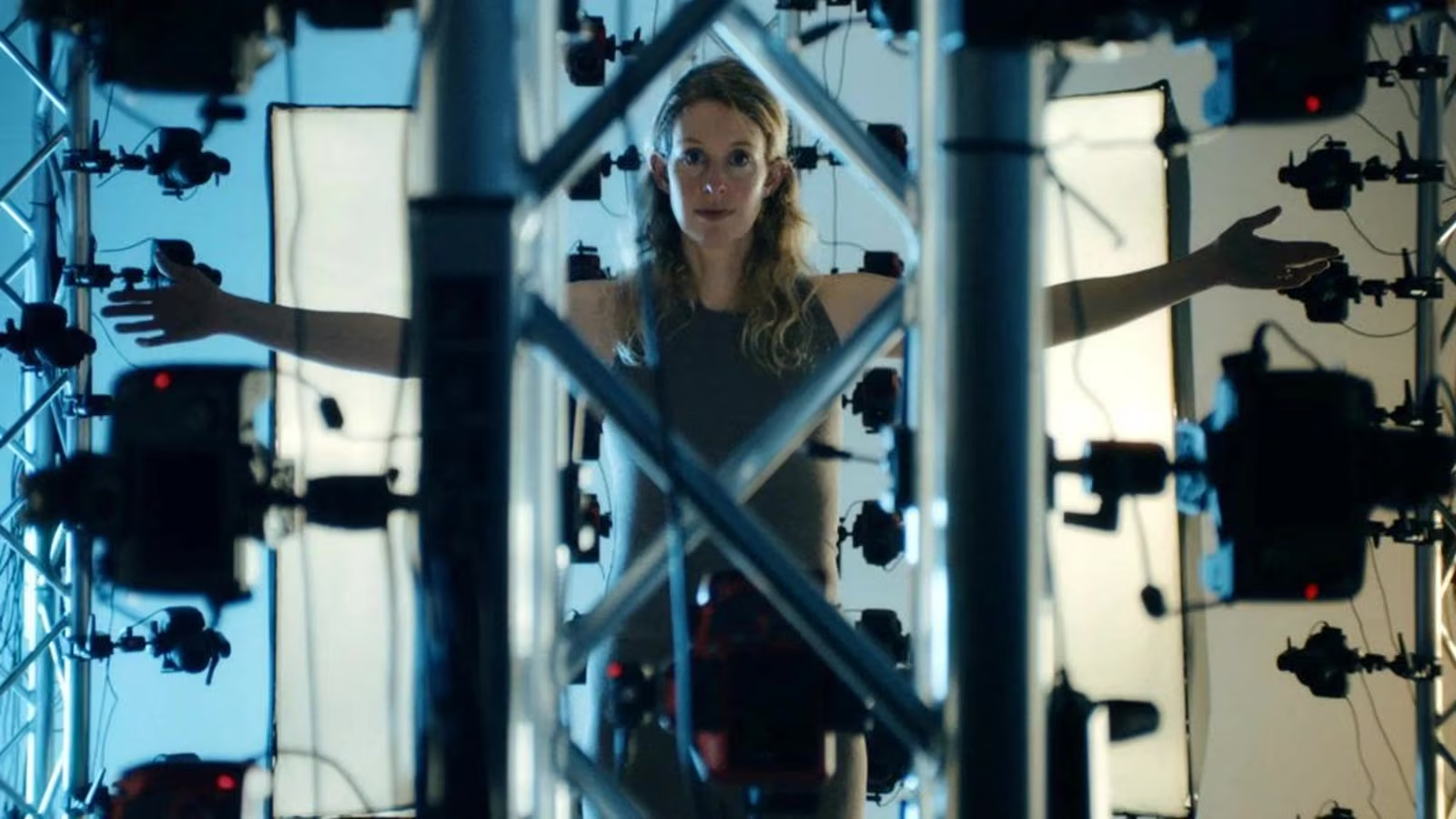
Photo: altyazi.net
You Can See Everything (2026), co-directed by Nathan Fielder and Lance Oppenheim, stands out as one of the year's most talked-about productions. Marketed as a documentary about Theranos founder Elizabeth Holmes, the film invites viewers to question the very notion of 'documentary' through a confusing narrative built on manipulation. According to the review, despite its merits it falls short of justifying the fuss it has created.
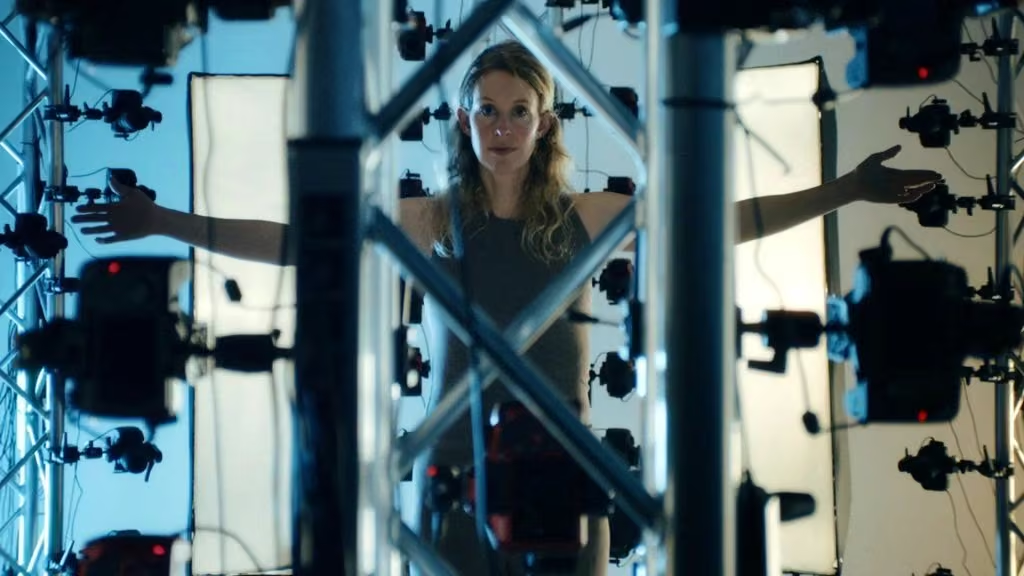
A documentary is a contract, not a genre
In everyday language, 'documentary' is placed next to action, comedy or musical. It is its own category in the Netflix catalogue and sits beside 'Best Drama' or 'Best Comedy' at award shows. Yet documentary has no consistent audiovisual or thematic conventions that clearly set it apart from other forms. It may be more accurate to define it as a three-way contract between the director, the viewer and the participants whose stories are told.
The core of that contract is a sense of reality. When we accept a film as a documentary, we assume that what we see reflects real events and that the director is trying to bring the truth to the screen directly and fully. You Can See Everything turns this agreement inside out. The film's most important achievement is shaking our trust in the reality of what we see on screen.
Weak as a conventional documentary
Judged as a typical documentary, the film is considered a rather mediocre attempt. Anyone hoping to learn something substantial about Elizabeth Holmes or Theranos is advised to look elsewhere, as the roughly three-hour film offers almost nothing on the company's history. Fielder, who spends more time on camera than Holmes, has no medical, technological or legal expertise either; the film rests on a cursory piece of research that largely ignores extensive archives.
It could be argued that Fielder aimed to prioritise the perspective of Holmes and her live-in partner Billy Evans by speaking to them directly. But by the rules of the documentary contract this choice is seen as problematic: why should we believe they will suddenly tell Fielder the whole truth and nothing but?
The aim: the relativity of truth
Fielder and Oppenheim appear well aware of these weaknesses. Their goal is to use the story to explore the relativity of truth, the unavoidable subjectivity of perception and the grey area between trust and manipulation. After three hours the film arrives only at an argument along the lines of 'we are all confused'. Still, making viewers rethink what the documentary label promises is seen as the most debatable and interesting side of the film.
In the end, You Can See Everything is less for those seeking information on Holmes and more an experiment for those who want to question the trust-based nature of documentary. How much noise that experiment deserves depends on the viewer's patience and expectations.

Comments