
How Election Day viral misinformation spreads and how to spot it
On US Election Day, small glitches and AI-made videos can spread fast on social media. Here is how viral posts snowball.
Photo: haberaktuel.com
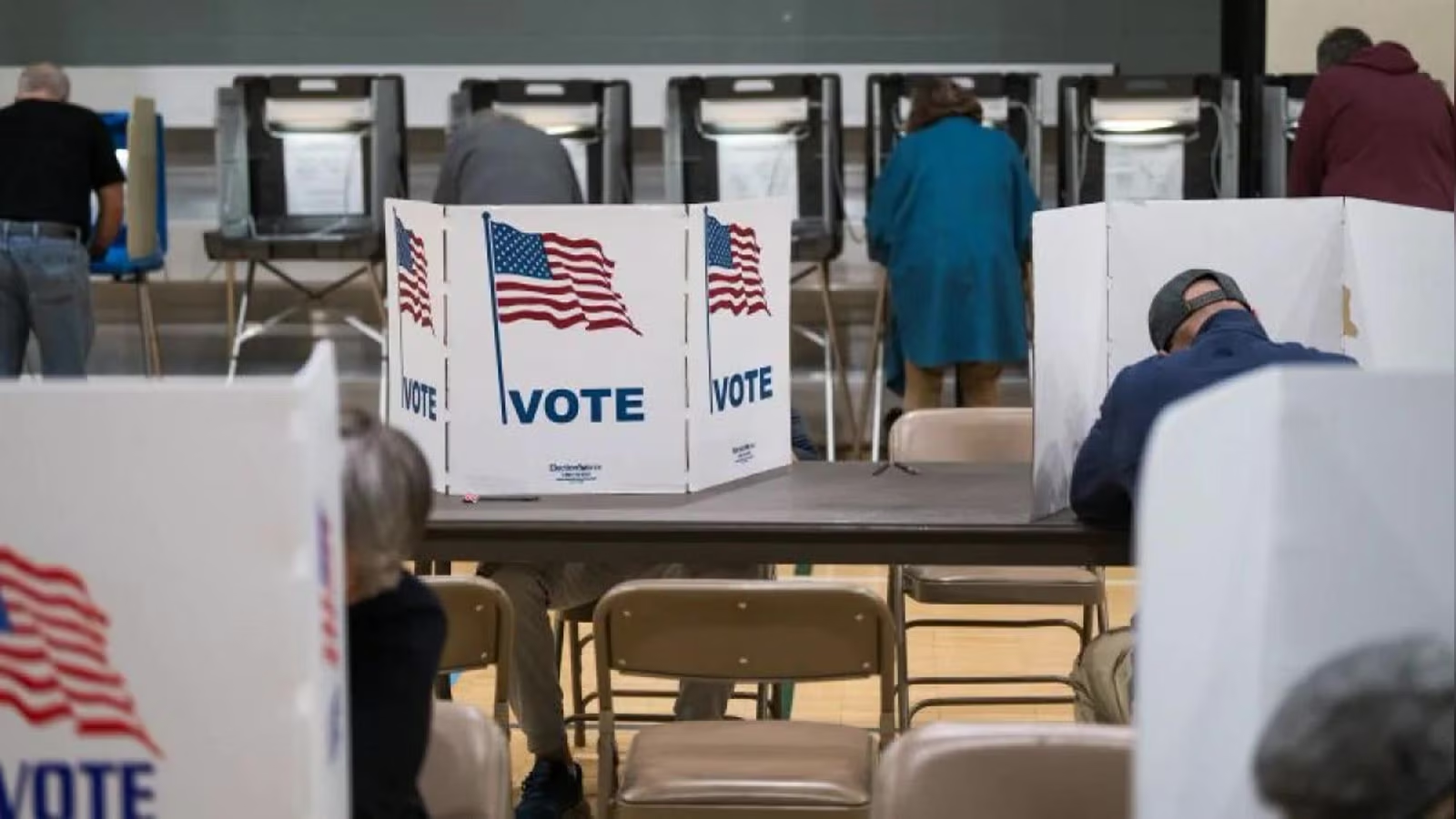
Election Day in the United States is not only the day tens of millions of people vote; it is also one of the busiest times of the year for online misinformation. Fast-spreading conspiracy theories, small technical glitches and AI-generated videos become the main viral material of the day. Elections run on technology designed to keep votes secure, but the people using it can make mistakes, just like machines.
How do small glitches snowball?
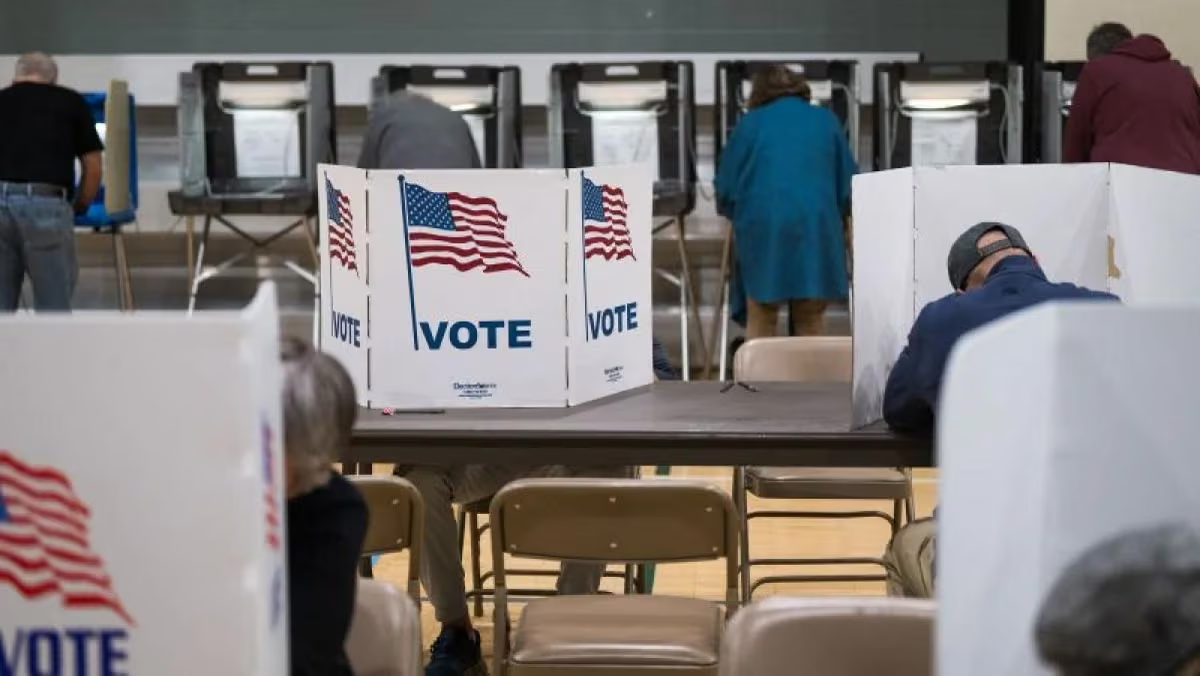
Voters who run into problems on Election Day often share what happened on social media. Even when posted in good faith, such posts can be boosted by algorithms and spread by people questioning the reliability of the election. A single post can be viewed millions of times and folded into a narrative others want to build.
The 2022 midterms are cited as an example. Some polling places in Maricopa County, Arizona, had printer problems. Officials quickly activated an emergency plan so voters could cast ballots safely. A judge who reviewed the matter that day said there was no evidence that anyone who wanted to vote was unable to. Even so, some social media accounts tried to present the problem as a plot.
Such problems are generally said to stem from human error or older touchscreen technology. In that case voters can turn to poll workers, and a process is followed so the vote is cast correctly.
AI makes fake videos easier
Convincing fake videos used to be hard to make. On Election Day 2020, a video claiming to show a candidate's ballot being burned spread online. In 2024, a video showing an election worker tearing up ballots went viral. Both were confirmed as fake, and the 2024 video was found to have Russian operatives behind it. Today, AI-powered tools make convincing fake content much easier to create.
Vote counting and slower states
After the vote, attention turns to counting. Each state counts differently, and some move more slowly than others. In 2020 that difference in speed fed countless conspiracy theories that persist today. In some states, mail ballots counted after Election Day can shift results, meaning a candidate who looks ahead early may fall behind once all votes are counted.
No system is perfect, yet thousands of election officials across the country work to keep voting safe and secure. Readers who come across a viral video or post are advised to check the source and official statements before sharing.



Comments