
From Gazino to Legend: The First Stages of Müslüm Gürses, Bülent Ersoy and Sibel Can
The early career years of three artists who rose from tea gardens and family gazinos to become legends.
Photo: Gıybetoloji
Many of the big names of arabesque and Turkish art music in Türkiye began their careers on gazino stages. Tea gardens, family gazinos and large gazinos were both a school and a showcase for young artists. In this article, we return to the first stages of three legends.
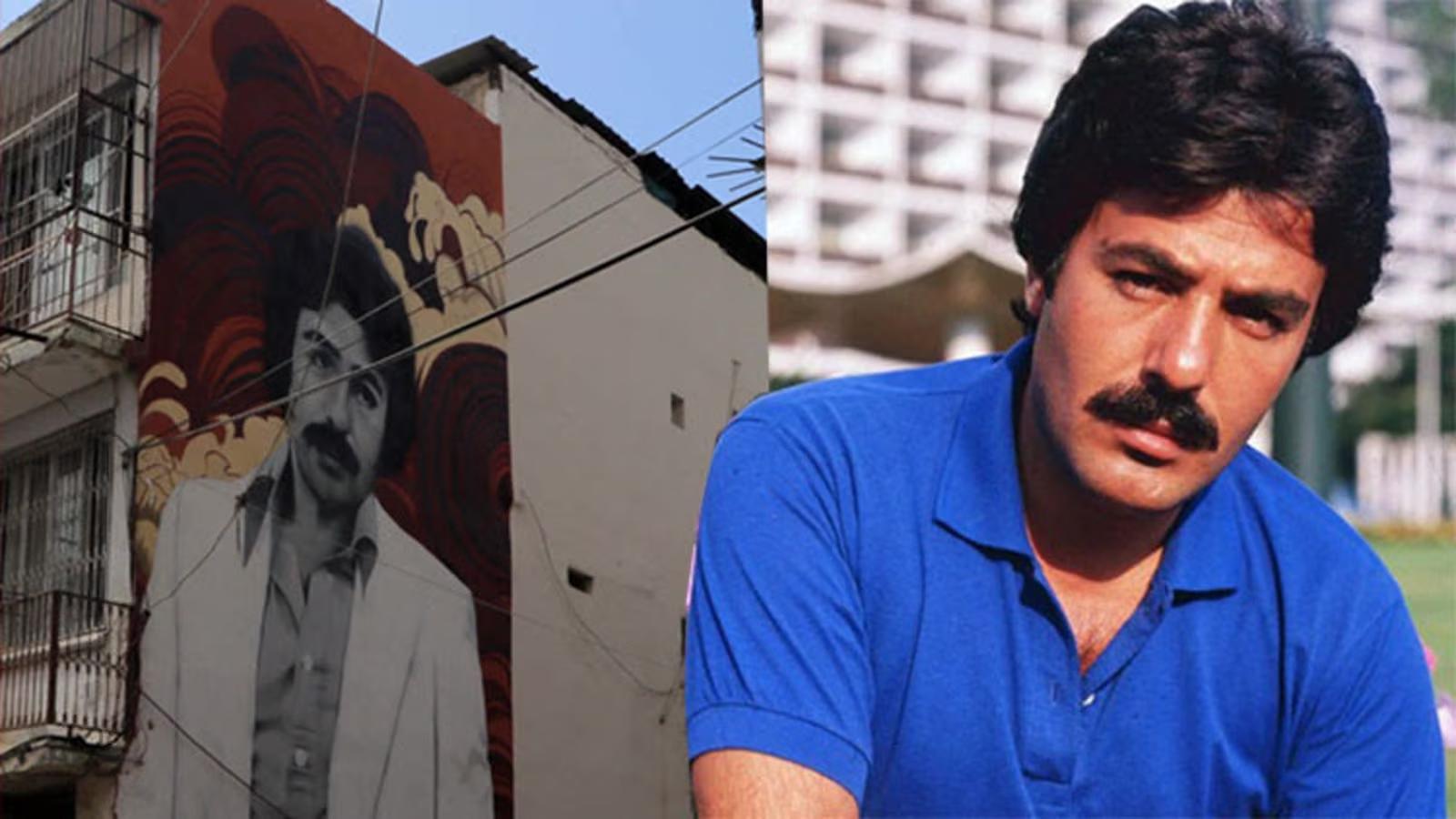
Müslüm Gürses: From a Tea Garden in Adana to "Müslüm Baba"
Born Müslüm Akbaş, Müslüm Gürses was born in Şanlıurfa in 1953. At a young age he began singing at a tea garden in Adana; he took to gazino stages during the years he worked as a tailor's apprentice and a shoemaker. At 14, he wanted to enter a competition held at the Adana Aile Çay Bahçesi.
Over time he came to be known in Türkiye as the "Father of Arabesque" and "Müslüm Baba." From the 1990s onward, he reached a wide audience by performing songs by artists from different genres such as Kayahan, Sezen Aksu, Teoman, Tarkan and Şebnem Ferah. He died in Istanbul in 2013. Alongside his music career, he appeared in 40 films in a cinema journey that began with İsyankar in 1979. After his death, more than 50 of his songs that had not been officially released during his lifetime were published.
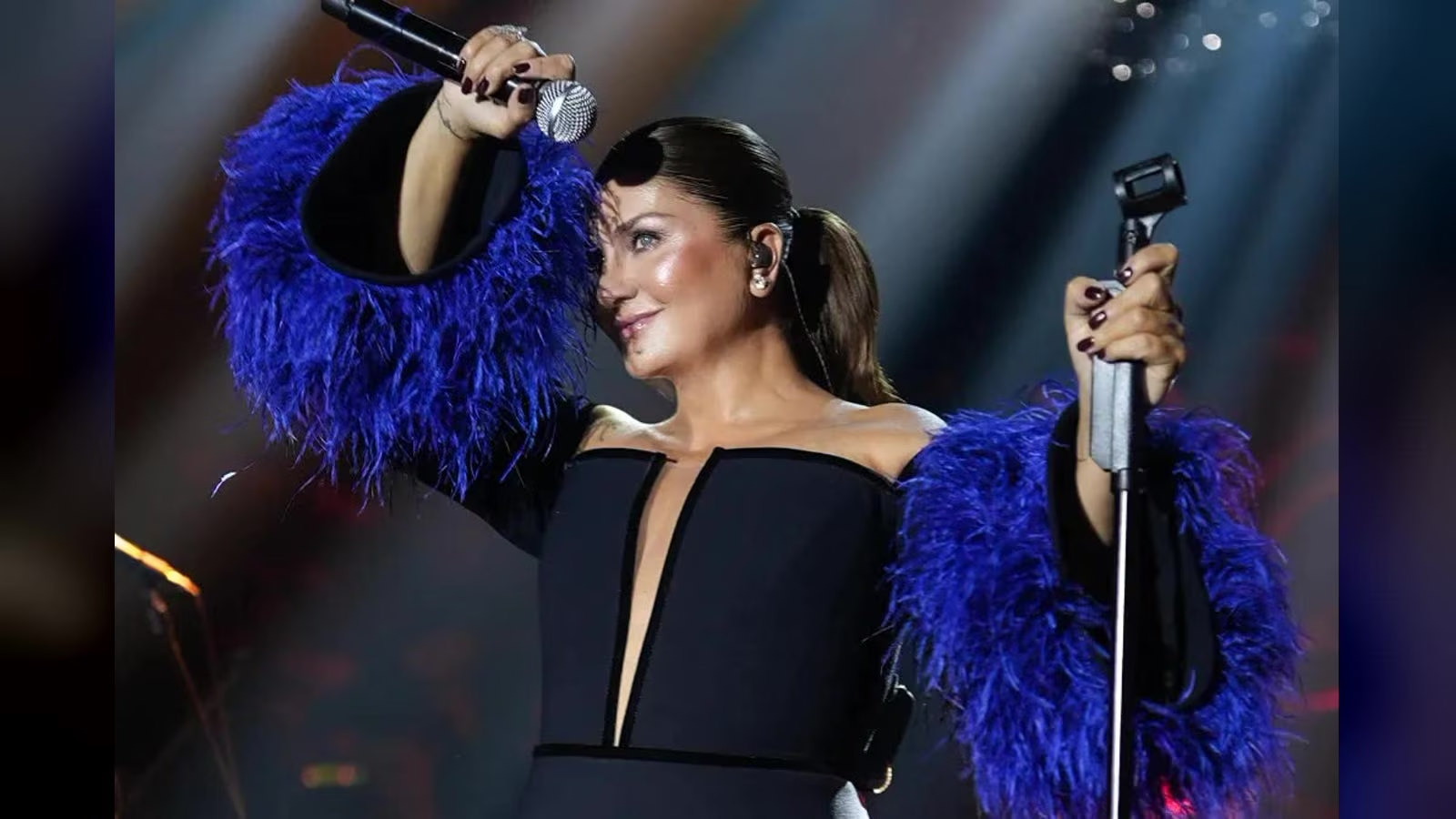
Bülent Ersoy: From Özlem Aile Gazinosu to "Diva"
Bülent Ersoy was born in Malatya in 1952. She took private lessons from masters such as Melahat Pars and Rıdvan Aytan. In 1970, she took her first step onto the stage at Özlem Aile Gazinosu in Üsküdar Fıstıkağacı; she won first place in a voice competition and worked as a lead singer at the same gazino.
Her first 45 rpm record came out in 1971 and included "Lüzum Kalmadı" and "Neye Yarar Gelişin," with lyrics and music by Muzaffer Özpınar. Ersoy is known in the world of celebrity news by the title "diva."
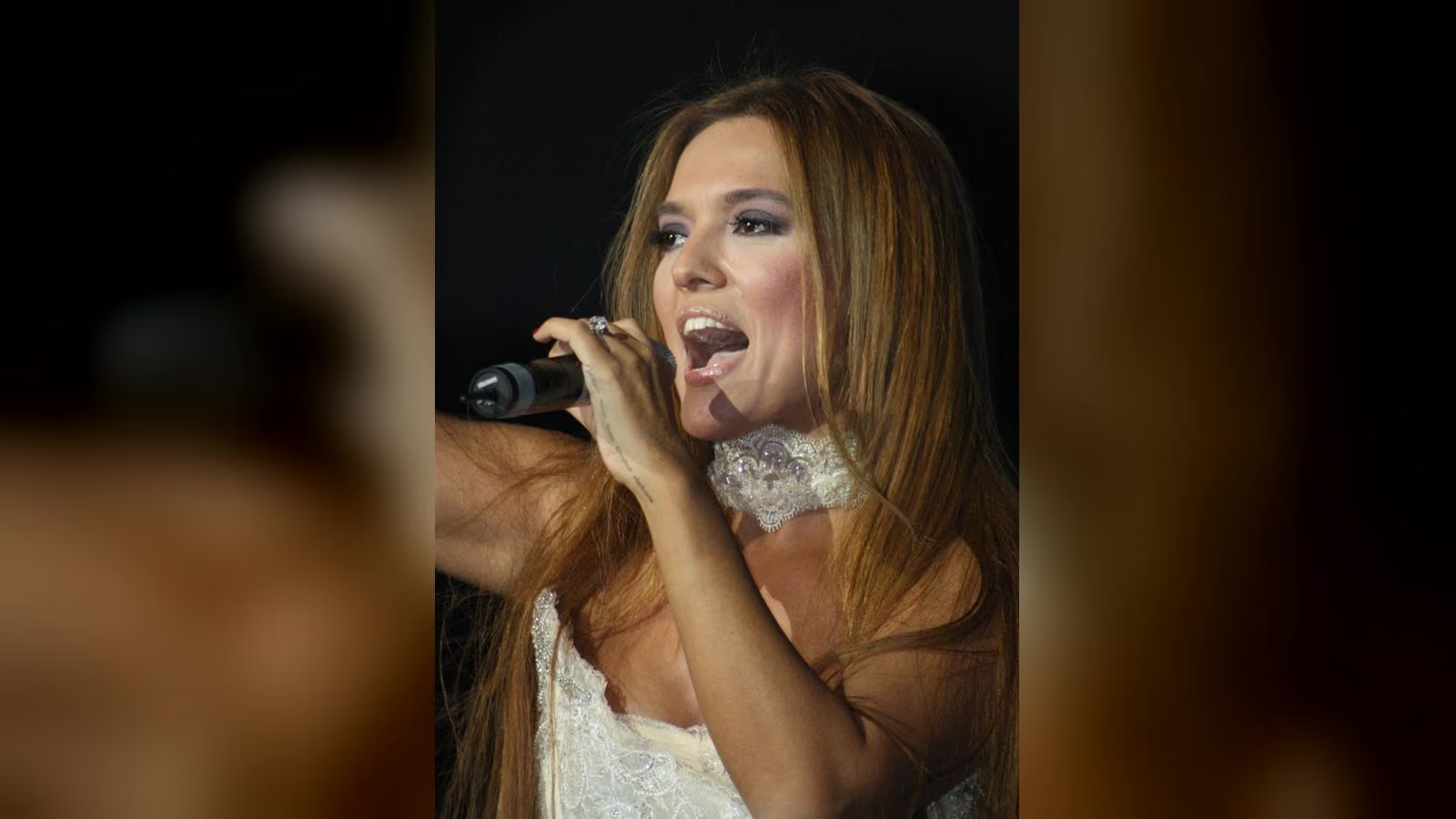
Sibel Can: Lead Singer at Maksim Gazinosu at 17
Sibel Can took the stage at 14 and joined tours at home and abroad with her father. After performing at well-known venues of the era such as Galata Kulesi and Astorya, she moved to Maksim Gazinosu (on Nükhet Duru's recommendation to Fahrettin Arslan) and became a lead singer at just 17. At Maksim, she shared the stage with names such as Muazzez Abacı, Neşe Karaböcek and Emel Sayın.
The Legacy of Gazino Culture
The story of these three artists shows the stage discipline the gazino tradition brought to Turkish music and the direct bond it built with the audience. Many of the masters we watch in concert halls today learned the craft on these stages.
Comments